





Residential designers are often pulled into commercial projects by a single opportunity: a client expanding into a new office, a restaurateur who wants a space with the same emotional resonance as their home, a developer seeking a more hospitality-driven sensibility. But once you step into commercial interior design, the work stops being “residential, just bigger.” It becomes a different operating system.
Commercial projects run on codes, life safety, accessibility, procurement rules, stakeholder governance, and documentation rigor. Your aesthetic skill still matters, but it is no longer the main risk to manage. What determines success is whether your studio can deliver within commercial constraints while maintaining a strong point of view.
This guide is intended for interior designers and creative professionals who are considering commercial work or expanding their practice beyond residential projects.
It is especially relevant for residential interior designers exploring commercial opportunities, boutique studios moving into hospitality, workplace, retail, or wellness environments, and creatives who want to better understand commercial design systems, documentation, and workflows.
Whether the goal is to take on a small commercial renovation or build a studio that can confidently work across both residential and commercial sectors, this guide outlines the foundational shifts designers need to prepare for.
1) The Core Difference: Commercial Interiors Are Regulated Environments
Residential design is guided primarily by the client’s preferences and budget. Commercial interiors are guided by a hierarchy of requirements where “what looks good” comes after “what is allowed.”
Accessibility becomes foundational, not optional
If your commercial project is a public accommodation, workplace, hospitality, retail, medical office, or similar, ADA compliance is not a detail—it’s a baseline requirement. The 2010 ADA Standards for Accessible Design determine plan layout, restrooms, clearances, routes, and operable elements. For example, the location of doors, hardware, circulation widths, and restroom layouts often becomes a planning issue before it’s a design one.
Life safety and egress drive layout
Commercial interiors must meet life-safety expectations for occupant load, travel distance, exit access, and exit discharge. Even if a project architect is leading code compliance, interior designers must still coordinate plans to avoid blocking exits or reducing clearances.
Interior finish compliance affects specifications
Materials must often meet flame spread and smoke development criteria. IBC Chapter 8 outlines how interior finishes are classified using standards like ASTM E84 or UL 723. Aesthetic intent must align with compliance documentation.
What to do now: Build a habit of requesting compliance documentation early: ADA-related dimensions for built elements, product fire ratings, and input from code consultants when needed.
2) The Documentation Shift: Commercial Requires Construction Communication, Not Just Design Intent
Residential designers can often succeed with a combination of plans, elevations, and mood boards. In commercial work, design must be clearly communicated through permit-ready drawings, schedules, and specifications.
You will work inside a formal submittal ecosystem
Commercial construction relies on documents such as shop drawings, product data, and samples that must be submitted and approved. Annette Jaffe, founder of Long Island–based Annette Jaffe Interiors, notes, “Working with a good architectural firm or having someone on staff who understands how codes are written and reviews all selections for compliance makes the designer’s job a lot easier.”
Tenant improvement sets demand clarity
Permits typically require plans that include life-safety details such as occupant loads, exit widths, and travel distances. Gail Jamentz of Pasadena’s Soul Interiors Design says, “Doing Tenant Improvement (TI) construction is very different than residential remodeling, so you must get up to speed quickly on commercial Building Codes.”
What to do now: Upgrade your studio’s drawing sets. Partner with a commercial architect, code consultant, or interior architect until your documentation meets industry expectations.
3) The Stakeholder Shift: You Are Designing for Governance, Not a Single Client
Residential projects typically involve one or two decision-makers. In commercial projects, the approval process may involve committees, landlords, consultants, and project managers. This changes how you present and justify your design decisions. Instead of simply selling your aesthetic, you must build alignment across business goals, brand messaging, user experience, and regulatory expectations. This also means you must identify and engage with stakeholders who have different roles—from operations and facilities to HR, finance, and legal.
Gail explains, “In commercial projects, there are more stakeholders who are invested in the success of the project. For example, there may be a private equity firm that owns the building, a construction management firm acting as the Project Manager, a construction company doing the build-out, and the business owner or nonprofit organization that is the tenant of the building (and your client). So, you can be certain there are weekly budget check-in calls because going over budget—whether due to construction delays, changes in scope, etc.—is going to impact everyone involved.”
What to do now: Build decision packages that clarify cost, code implications, maintenance, and lifecycle considerations. Expect longer review cycles and more formal approvals.
4) The Material Shift: Performance, Cleaning, Durability, and Maintenance Become Design Criteria
In residential design, material selection is driven largely by look and feel. In commercial work, performance and compliance come first.
Materials must withstand cleaning protocols, public use, and replacement cycles. Commercial clients often ask if products meet standards such as ANSI/BIFMA for seating systems and other furnishings.
Fire safety is equally important. Interior finishes for walls, ceilings, and large decorative elements must meet fire code ratings. Products are tested to meet flame spread and smoke development indexes using standards such as ASTM E84.
What to do now: Build a commercial materials library that notes cleanability, fire test data, warranties, lead times, and durability.
5) The Systems Shift: Commercial Interiors Interlock with MEP, IT, Security, and Acoustics
Commercial interiors are deeply integrated with technical systems. Designers must coordinate closely with mechanical, electrical, and plumbing consultants, as well as IT/security vendors and lighting/acoustic specialists.
Ventilation and air quality standards such as ASHRAE 62.1 may determine layout. Interior partitions and occupancy density impact diffuser placement and HVAC performance. Clients may pursue LEED or WELL certification, which focuses on occupant health and wellness, or at least expect wellness-informed design. These frameworks include criteria around light levels, air quality, acoustic performance, and materials.
What to do now: Include MEP (mechanical, electrical, and plumbing) systems, lighting, acoustics, and IT considerations early in the design process to avoid costly revisions later.
6) The Procurement Shift: Lead Times and Coordination Become Critical

In residential design, procurement can be more flexible and often designer-led. In commercial projects, it becomes a coordinated, time-sensitive process tied directly to construction schedules.
Long lead times, bulk ordering, and phased installations mean that delays in procurement can impact the entire project timeline, not just final styling. Furniture, fixtures, and equipment (FF&E) are often specified alongside construction documents and may be procured through owners, purchasing agents, or contractors rather than the designer.
This also introduces a new layer of coordination. Designers must align specifications with availability, ensure products meet commercial standards, and communicate clearly with vendors, contractors, and project managers to avoid costly delays or substitutions.
What to do now: Start thinking about procurement during design development, not after. Track lead times early, confirm vendor capabilities, and clarify who is responsible for purchasing, storage, and installation before documentation is finalized.
7) The Contract Shift: Scope, Liability, and Process Discipline Become Central
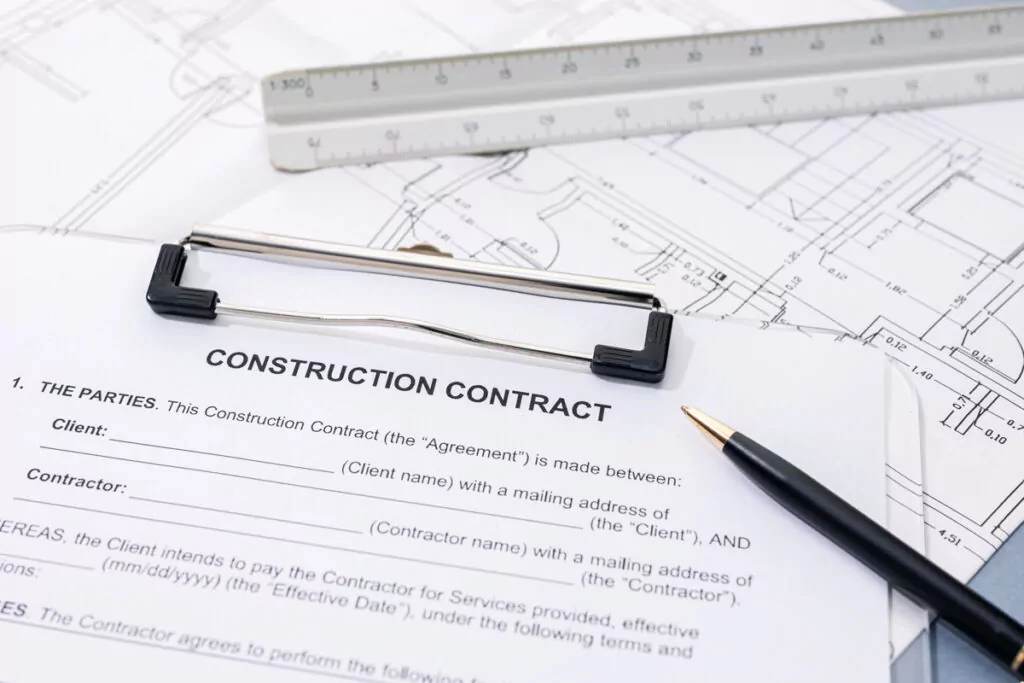
Residential design contracts are often less operationally complex than commercial agreements. Commercial contracts define responsibilities, deliverables, review cycles, and liability boundaries. Roles must be clearly outlined to ensure all contributors understand their responsibilities and avoid costly miscommunication.
Interior designers may oversee FF&E specifications and finish schedules, while architects or project managers lead code compliance and construction administration. Clarifying this division upfront avoids liability surprises.
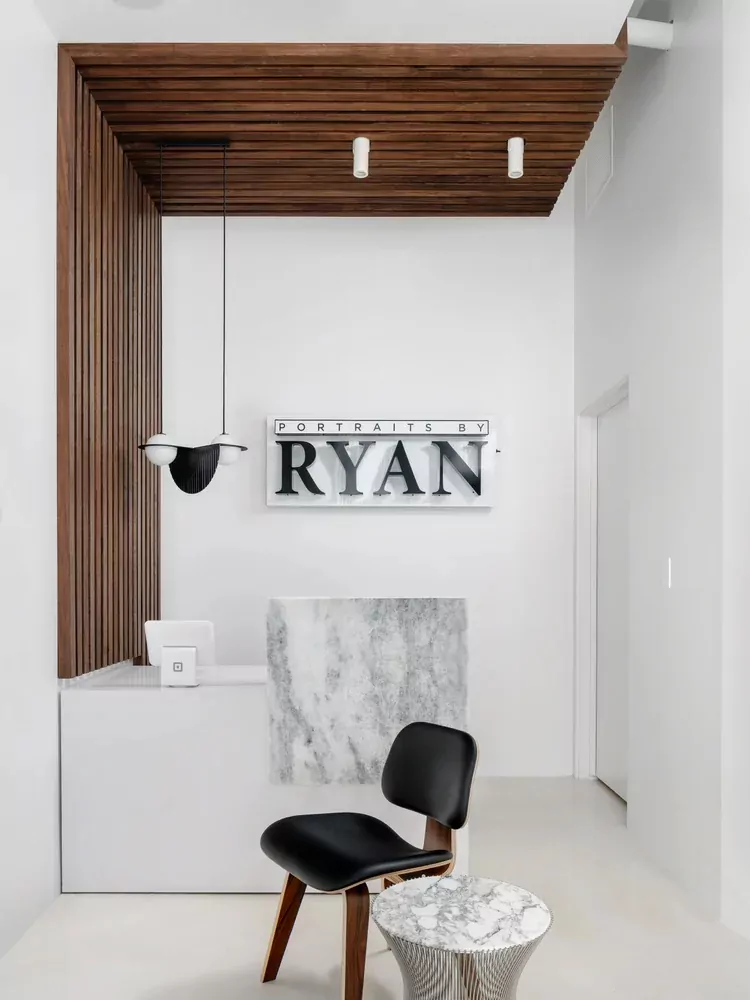
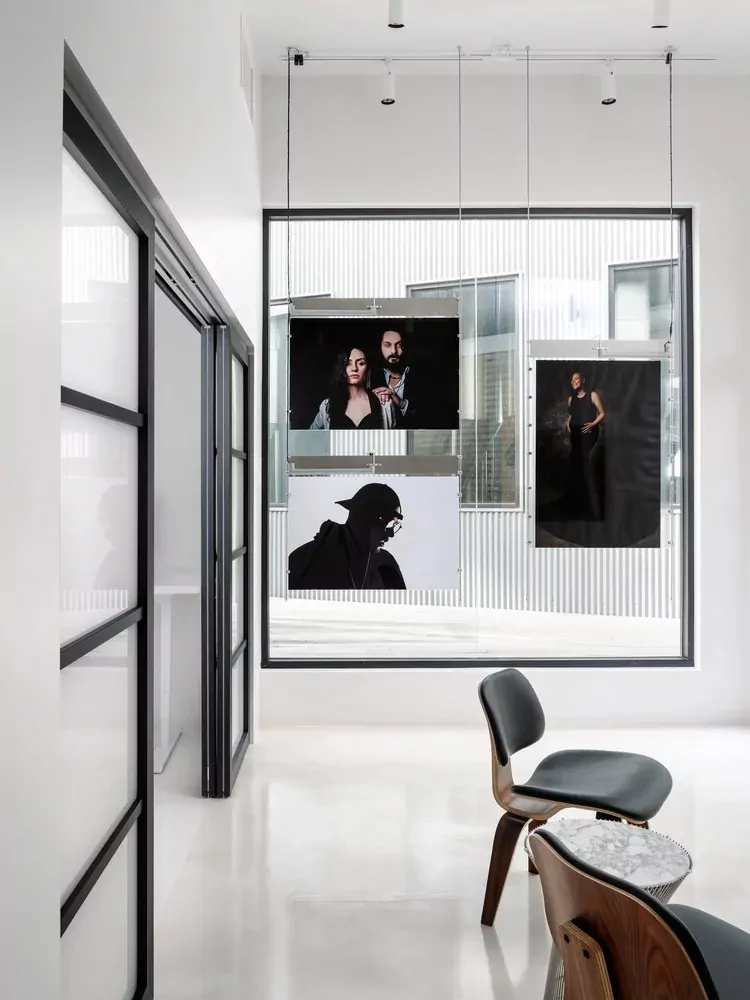
What to do now: Review commercial contract templates with counsel. Clarify what’s included: specifications, construction admin, punch lists, procurement, and change management.
8) The Financial Shift: Commercial Budgets Behave Differently, and So Do Fee Models
In residential work, spending may be driven by emotion and personal values. In commercial, it’s business logic, schedules, Key Performance Indicators (KPIs) that tie budget to clear outcomes like timelines, occupancy dates, or return on investment.
As Annette explains, “The billing structure of both residential and commercial jobs can have caps on fees and hours, with profitability varying from job to job rather than field to field.” Christine Ho, founder of Austin-based Breathe Design Studio adds, “Clients are typically more flexible with budgets on their own residential homes. Commercial projects typically have less involvement from the client and are based on the bottom line.”
What to do now: Factor in longer design cycles, more documentation time, and budget approvals into your pricing. Use fixed-fee, hourly, or percentage-based billing where appropriate.
9) The Workflow Shift: Your Studio Must Run on Repeatable Process
Commercial success hinges on having repeatable systems that don’t just look good on paper, but actually hold up under pressure. A process-driven studio ensures that deadlines are consistently met, coordination flows smoothly, and the quality of design execution remains high—even when multiple consultants, contractors, and clients are involved.
It’s not about one-off heroics; it’s about having clear roles, task ownership, and dependable workflows that deliver results at scale. If your team is used to improvising in real time or relying on informal direction, it’s time to build in structure that supports repeatability and growth.
What to do now: Implement tools to manage complexity:
- Decision log: Track who approved what and when.
- Submittal tracker: Monitor submissions, reviews, and resubmissions.
- Change log: Maintain revision history and accountability.
10) The Positioning Shift: You Need a Commercial Point of View, Not Just Capability

Commercial clients aren’t just looking for a designer with great taste—they want a strategic partner who understands compliance, budgets, and business goals. Simply saying “we do commercial too” won’t set your studio apart.
To make an impression, position your practice around a specific commercial niche where your residential strengths can shine:
- Hospitality-inspired workplaces: Bring warmth, texture, and layout empathy to professional spaces that want to feel more human.
- Boutique retail spaces: Use your eye for detail and mood to help small retail brands create immersive, branded experiences.
- Medical offices with a warmer, more human feel: Apply comfort-forward principles to clinical environments without compromising function.
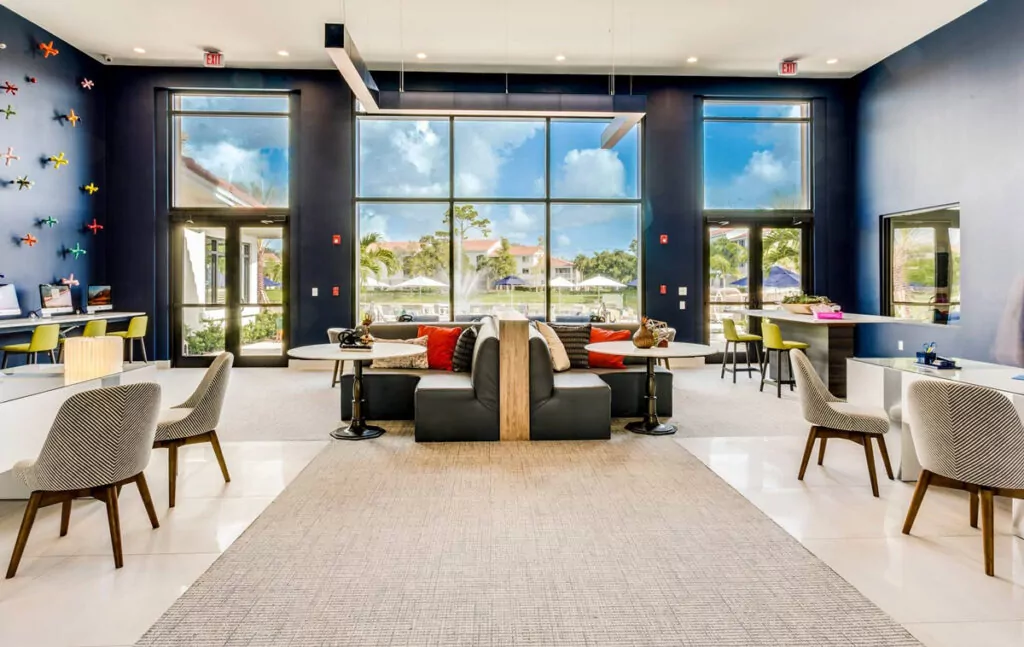
- Multifamily amenity spaces with home-like comfort: Translate your residential sensibility into shared-use spaces that feel personalized and livable.
What to do now: Refine your messaging and portfolio to reflect this commercial fluency. Highlight how your process and experience map directly to client’s business needs.
A Practical Transition Plan: Grow Without Burning Out

Phase 1: Start with Adjacent Commercial Types
Focus on small, manageable project types as mentioned above. These spaces are less complex and give residential designers an approachable entry point into commercial interior design.
Phase 2: Build Your Technical Bench
Form partnerships with a commercial architect of record, MEP engineer, lighting designer, acoustic consultant, and a code specialist. Having these experts on board can help prevent costly errors and raise your technical standards.
Phase 3: Expand Your Standards Fluency
Get familiar with ADA, IBC, LEED, WELL, and BIFMA. You don’t need to become a code expert, but understanding the key requirements in accessibility, sustainability, and performance can boost your credibility and improve your work.
Phase 4: Protect Your Residential Core
Maintain clarity between your residential and commercial operations. Create separate contracts, timelines, documentation standards, and pricing structures so that growing your commercial capacity doesn’t dilute your original brand or overextend your resources.
Getting Involved and Building Industry Connections
Breaking into commercial interior design isn’t just about mastering codes and materials. It’s also about putting yourself out there. The designers we spoke to emphasized the importance of hands-on experience, industry exposure, and community connections.

“Look into all the trade shows and attend every one you can. Subscribe to the trade magazines or go read them at your local library. Offer to intern and work part-time. Do what you can to gain experience and not rely on AI.”
– Annette Jaffe
“Be ready to accept the limitations of a commercial building and prepare to think of creative solutions to things that cannot be changed or renovated.”
– Christine Ho


“Whether you are interested in hospitality design, commercial office design or any other niche in the industry, it is always invaluable to join a professional design trade organization, get on a committee and start networking.”
– Gail Jamentz
The Bottom Line
Residential designers can excel in commercial work, often bringing a human, emotionally intelligent lens that many commercial spaces lack. But commercial success depends on your ability to operate inside regulated systems: accessibility, life safety, interior finish compliance, formal documentation, stakeholder governance, and contract discipline.
Treating commercial interiors as “residential, just bigger” leads to friction. Success requires a different kind of design discipline: one that balances creativity with compliance, coordination, documentation, and operational systems.
The studios that succeed in commercial work are not necessarily the ones with the boldest aesthetics. They are the ones that can make design defensible, documentable, and buildable while maintaining a clear creative point of view. With the right systems in place, designers can build a practice that performs confidently across both residential and commercial sectors.