




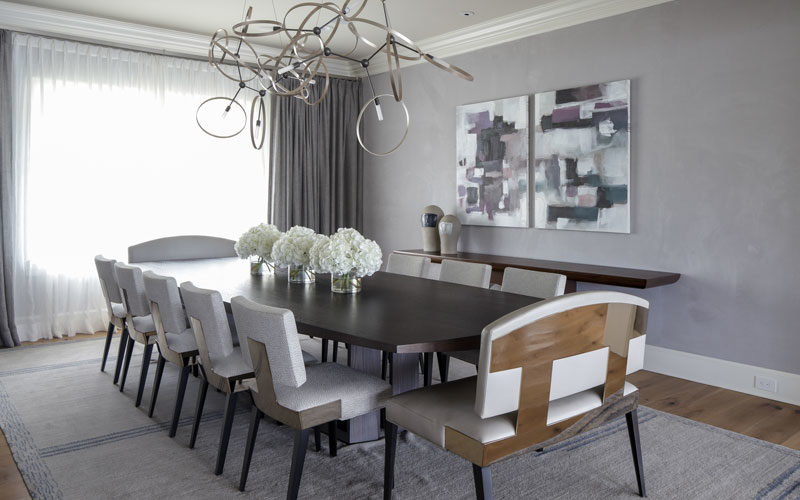
The ultimate goal of many designers is to get themselves a firm footing in the luxury design market. With a chance at high budgets, real flexibility, and the opportunity to build a solid reputation, it is no surprise when designers compete so fiercely to reach the top.
Most of the success stories in the world of luxury interior design come not from people driven by wealth, but from those with an innate love for design and a wish to express themselves creatively. Too often, small budgets come with big demands that nobody can satisfy. But with larger budgets comes freedom for exploration and the ability to infuse a home as richly and as deeply as the designer and client can fathom.
There is one essential trait required to succeed in the luxury interior design market, and it can be expressed through the stories of three successful luxury interior designers.
Michelle Workman: A Taste of Beauty
Michelle Workman is a rapidly rising star in the luxury design sphere. Born in Los Angeles, California, she has designed high-end residential and commercial spaces throughout the US and has been actively sought after by many celebrities including Jennifer Lopez and John Travolta.
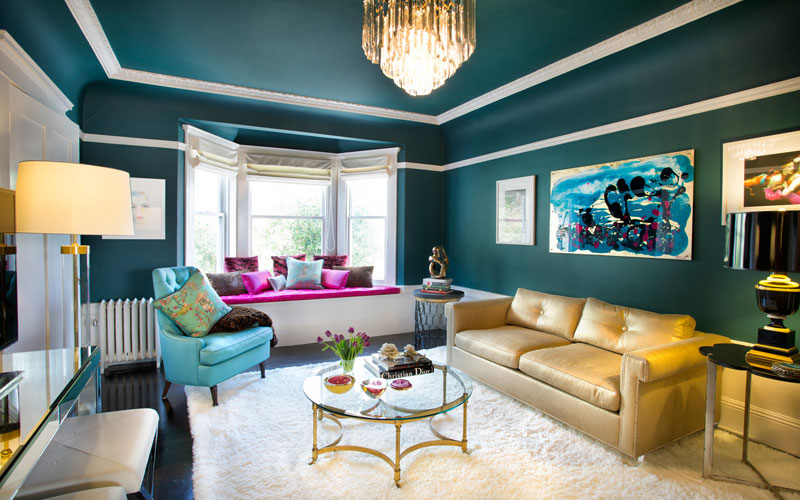
Michelle has achieved what many can only dream of. But how did it happen? Was it an accident? Was it pure luck? No, it was something more meaningful.
As a young child, Michelle’s mother would chauffeur her around some of the area’s most luxurious neighborhoods. She would study all the beautiful homes and admire the details they brandished. Being absorbed in stylish designs from such a young age has given Michelle a deep awareness of what makes things beautiful.
There are some things that can be learned, but others, you are simply born with. In Michelle’s case, she was born with an innate grasp of good design. It is this natural talent that gives her clients confidence in her abilities and which drops jaws when she finishes a project.
Michelle has her place in the upscale market because she has an eye for beauty and brings forth a trait that helps her succeed!
Betty Wasserman: A Love of Art
There’s more than one way into the high-end design market, and they don’t all begin with being an interior designer. Creating a great interior is a multifaceted process that requires skills in many fields, but more importantly, an eye for beauty of all kinds.
Betty Wasserman is one of those people who entered the design field through another creative endeavor.
Betty’s career began as an art dealer and curator of private collections. She started a business the same year she graduated from college, serving as an art consultant and publisher. She founded NYC’s first online/offline digital art gallery and continues to this day to represent over 50 artists.
By pulling together the many various strands of her experiences in art and business, she renovated her own Chelsea loft space and thus began her illustrious career in interior design. It was the act of pursuing her talent that led to the drawn gazes that make her successful. To this day, her loft serves as a testament to her design skills and sense of aesthetics.
By integrating her artists’ work into her design projects, she manages to simultaneously imbue her projects with an artistic zest, while also promoting the leading artists that she represents.
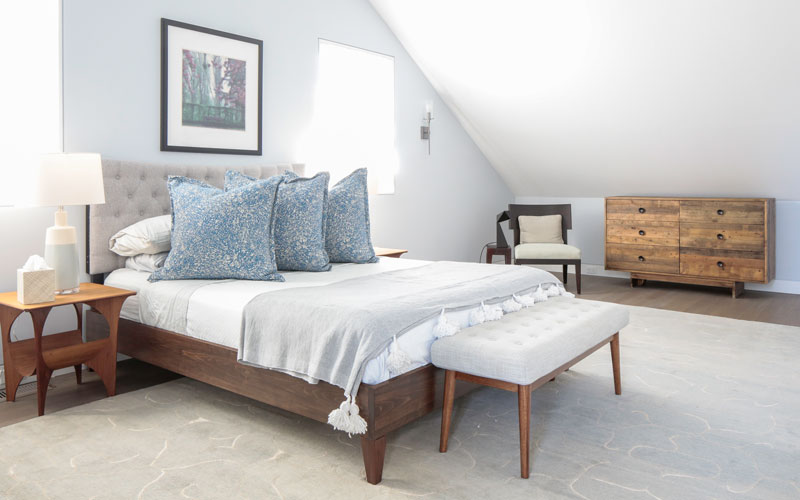
Betty would not be as popular as she is now if she didn’t love what she does. Her passion for art, design, and all things beautiful has turned her into the go-to person for those in Manhattan and the Hamptons with a love for clean, fresh, modern designs. Her entire career rests on her artistic eye, talents, business acumen, and on the mindset that gave life to her Chelsea loft.
Kelly Wearstler: A Passion for Design
Kelly is one of the most sought-after luxury interior designers in the US today with beautiful residences and commercial spaces standing testimony to her talent. With top celebrity houses such as that of Cameron Diaz, Ben Stiller, and Gwen Stefani under her belt, Kelly is a designer that rolls art, design, travel, and history into an experiential form of interior design.
Having been chaperoned by her mother to various antique shows and auctions as a child, Kelly knew early on that her passion lies in the creative field. Her degree in interior and graphic design was supplemented by her exposure to history, travel, and architecture, which drives her to create meaningful interiors that resonate with her clients.
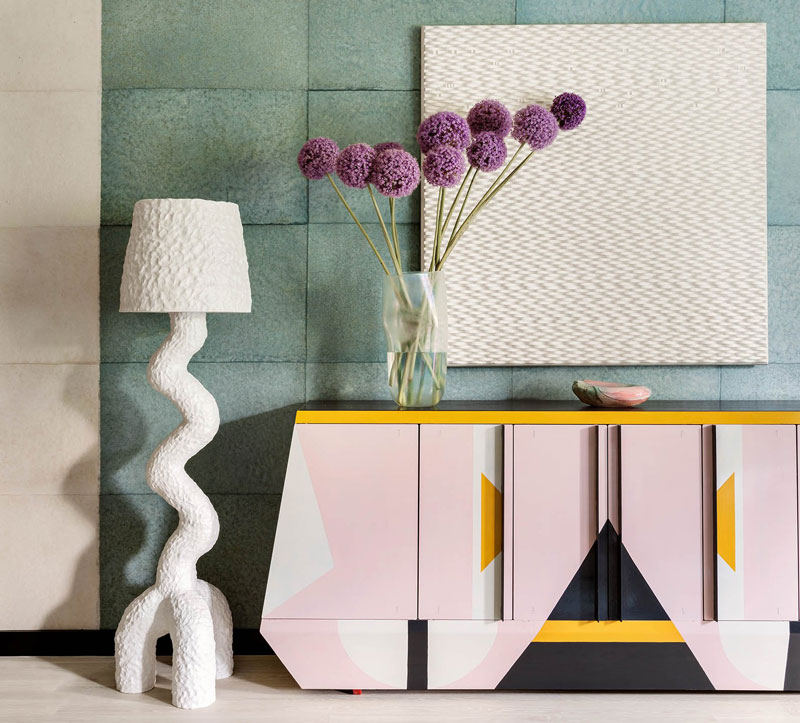
Her major turning points were her first hotel design, Avalon Hotel in Beverly Hills, and her first restaurant BG, at Bergdorf Goodman in New York. Her intuitive and carefully curated designs for these projects put her name on the design map. Her design aesthetic is a pastiche style blending modern with vintage while borrowing from art, history, travel, architecture, and fashion among others to bring the design alive.
Her areas of service include not only full-service interior design but also product design, as well as branding and graphics. She also offers interior design coaching for upcoming and established interior designers.
Conclusion
Getting into the upscale market is hard, but not impossible. Michelle, Betty, and Kelly teach us that gaining success in high-end design depends upon one important approach: treating every design project as it is worthy of uncompromised beauty. This approach establishes trust with clients which starts upon first sight of their portfolio’s commitment to beauty. Consumer spending follows the most trustworthy path – the one without excuses or compromises – the path of excellence.
So, whether you are designing your own home, helping your sister with a $5k remodel of her kitchen, or have your first $50k client project, keep in mind that this is your moment to build your mark of quality. Your commitment to design excellence needs to be displayed in everything you touch – big and small. Each action is an opportunity for you to communicate where you stand in the design world. Every Moment Is Your Moment to Show Design Excellence!
Are you a luxury interior designer? Do you have any insights that we overlooked? If so, please comment below. We look forward to hearing from you.